
Complete Guide to Buying Hearing Aids in Nigeria (2026)
February 17, 2026 2026-03-09 16:47Complete Guide to Buying Hearing Aids in Nigeria (2026)
 Phantom Medicals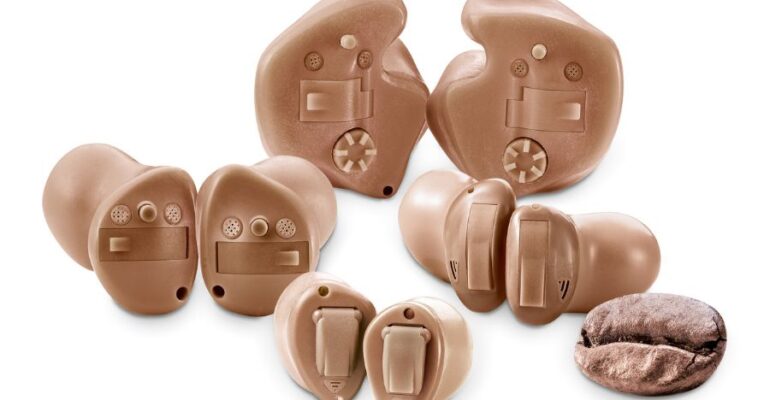
Complete Guide to Buying Hearing Aids in Nigeria (2026)
Over 7 million Nigerians experience some form of hearing loss, yet only about 15% seek treatment. Why? Because navigating the world of hearing aids in Nigeria feels overwhelming. Confusing terminology. Wildly different prices. Concerns about being scammed. Fear of buying the wrong device.
Last Updated: February 16, 2026 | Reading Time: 18 minutes
Introduction: Why This Guide Matters
If you’re reading this, someone you love—maybe yourself—is struggling to hear conversations clearly. Perhaps you’re constantly asking people to repeat themselves, or you’ve noticed your parent turning the TV volume uncomfortably high. You’re not alone.
Over 7 million Nigerians experience some form of hearing loss, yet only about 15% seek treatment. Why? Because navigating the world of hearing aids in Nigeria feels overwhelming. Confusing terminology. Wildly different prices. Concerns about being scammed. Fear of buying the wrong device.
This guide changes that.
We’ve spent years helping Nigerians find the right hearing solutions, and we’re sharing everything you need to know: from understanding different hearing aid types to finding trustworthy suppliers in Lagos, Abuja, and Port Harcourt. Whether you’re shopping for yourself or an aging parent, this comprehensive buying guide will help you make an informed decision.
Here’s what you’ll learn:
- The three main types of hearing aids and which works best for Nigerian users
- Realistic price ranges (₦25,000 to ₦250,000) and what you actually get at each level
- How to spot quality devices versus cheap imitations flooding the market
- Where to buy hearing aids in Lagos and other major cities
- Payment options that won’t strain your budget
- Common mistakes that cost Nigerians thousands of naira
Let’s help you or your loved one hear life clearly again.
Understanding Hearing Loss in Nigeria
Before we dive into devices, let’s talk about what you’re actually dealing with.
Hearing loss isn’t just an “old age thing.” Yes, age-related hearing decline (presbycusis) affects many Nigerians over 60. But we also see it in younger people—especially those exposed to Lagos traffic noise, construction sites, or loud markets day after day. Factory workers, okada riders, and even school teachers in noisy classrooms are at risk.
The Nigerian Reality
In Nigeria’s bustling cities, noise pollution is a silent epidemic. Stand at Obalende junction for 10 minutes and you’ll understand. That constant horn blaring, generator humming, and crowd chatter? It’s slowly damaging hearing for millions.
The tricky part: hearing loss happens gradually. Most people don’t notice it for years. They just assume everyone’s mumbling, or the TV quality is poor, or phone connections are bad.
Common signs you might recognize:
- Difficulty following conversations in crowded owambe parties
- Constantly asking “What?” or “Eh?”
- Turning up TV volume while others complain it’s too loud
- Trouble hearing women’s and children’s voices
- Exhaustion after social gatherings (because you’re straining to hear)
If three or more of these sound familiar, it’s time to take action. The good news? Modern hearing aids can address most of these issues effectively. Learn more about recognizing hearing loss symptoms in our detailed guide.
Types of Hearing Loss You Should Know
Medical jargon makes this confusing, but it’s actually simple:
Conductive hearing loss: Something blocks sound from reaching your inner ear. Maybe earwax buildup, fluid, or an infection. Often temporary and treatable.
Sensorineural hearing loss: The inner ear or hearing nerve is damaged. This is permanent, but hearing aids work incredibly well for it. Most age-related hearing loss falls here.
Mixed hearing loss: A combination of both types.
Why does this matter? Because different hearing loss types need different solutions. A good hearing aid supplier will ask about your specific situation before recommending a device. If someone just tries to sell you the most expensive model without questions, walk away.
Types of Hearing Aids Available
Here’s where it gets practical. Let’s break down the three main types you’ll encounter in Nigeria.
1. Behind-The-Ear (BTE) Hearing Aids
Picture this: a small device that sits behind your ear, with a thin tube connecting to an earpiece inside your ear canal.
What makes BTE popular in Nigeria:
- Most powerful amplification (great for severe hearing loss)
- Easier to handle for older adults with arthritic fingers
- Survives Lagos humidity better than in-ear models
- Longer battery life
- Easier to clean and maintain
- Less affected by earwax buildup
The downside:
- More visible (though modern ones are tiny)
- Can be uncomfortable with glasses
- Wind noise when outdoors
Best for: Severe hearing loss, older adults who need something easy to operate, people who sweat a lot or live in humid areas.
Price range in Nigeria: ₦45,000 – ₦250,000
2. In-The-Ear (ITE) Hearing Aids
These sit entirely in your outer ear bowl. Some fill the whole ear, others just the lower part.
Advantages:
- More discreet than BTE models
- No issues with glasses
- Good for mild to moderate hearing loss
- Easier to handle than the tiniest models
Challenges:
- Can accumulate earwax more easily
- May need more frequent cleaning in Nigeria’s dusty environment
- Shorter battery life than BTE
- Not powerful enough for severe hearing loss
Best for: People who want something less visible, those with mild-moderate hearing loss, anyone uncomfortable with things behind their ears.
Price range in Nigeria: ₦25,000 – ₦120,000
3. Completely-In-Canal (CIC) and Invisible-In-Canal (IIC)
The “nearly invisible” options that sit deep in your ear canal.
Why people love them:
- Almost invisible when worn
- Natural sound quality (your ear shape helps)
- Less wind noise
- Can use phones normally
Reality check:
- Tiny batteries that need frequent changing
- Difficult to handle if you have dexterity issues
- Not suitable for severe hearing loss
- More expensive
- Harder to find in Nigeria
- Vulnerable to moisture and earwax
Best for: Younger users concerned about appearance, mild hearing loss only, people with good dexterity.
Price range in Nigeria: ₦80,000 – ₦200,000
Which Type Should You Choose?
Our detailed comparison guide breaks down each type further, but here’s the quick version:
Choose BTE if: You need strong amplification, want easy handling, or live in a humid area.
Choose ITE if: You want a balance of discretion and functionality, have mild-moderate hearing loss.
Choose CIC if: You’re younger, have mild hearing loss, and appearance is your top priority.
How to Choose the Right Hearing Aid
Now we get to the decision-making framework. Forget what the sales guy pushes—here’s what actually matters.
Factor 1: Your Hearing Loss Severity
This isn’t negotiable. You can’t just pick based on looks or price.
- Mild loss: You can probably use any type
- Moderate loss: ITE or BTE works best
- Severe to profound: BTE is your only real option
How do you know your level? You need a hearing test. Skip to our section on getting a proper hearing assessment in Lagos if you haven’t done this yet.
Factor 2: Your Lifestyle
Sales people skip this, but it’s crucial. Ask yourself:
How active are you?
If you’re constantly moving, exercising, or working outdoors, you need something durable. BTE models typically handle Nigerian conditions better.
What’s your work environment?
Market traders in dusty Oshodi need different features than office workers in air-conditioned VI. Teachers in noisy classrooms need strong directional microphones.
Do you travel often?
Get something with easily available batteries. The fancy rechargeable models sound great until you’re stuck in Kano without a charger.
Factor 3: Dexterity and Vision
Be honest about physical limitations. There’s no shame in needing something easy to handle.
If you have:
- Arthritic fingers → Avoid tiny CIC models
- Poor vision → Get larger controls and bigger batteries
- Trembling hands → BTE with simple volume wheels work best
Real story: We once sold a premium invisible model to a 72-year-old grandmother. Two weeks later, she returned it—couldn’t handle the tiny battery changes. She switched to a basic BTE and loves it. Sometimes simple wins.
Factor 4: Budget Reality
Let’s talk money honestly. We cover pricing extensively later, but know this: more expensive doesn’t always mean better FOR YOU.
A ₦25,000 quality ITE hearing aid beats a ₦100,000 device gathering dust in a drawer because it’s too complicated.
Factor 5: Nigeria-Specific Needs
Humidity resistance: Essential in Lagos, Port Harcourt, Calabar. Look for moisture-resistant models or plan to use desiccant drying kits.
Dust protection: Important if you live near busy roads or markets. Devices with protective nano-coating last longer.
Power stability: Rechargeable sounds modern, but what happens during NEPA strikes? Battery-operated might be more practical for many Nigerians.
Repair access: Can you get it fixed locally? Imported models might offer better quality, but good luck finding someone to repair them in Enugu.
Our comprehensive guide to choosing the right hearing aid walks through a step-by-step decision framework with real Nigerian scenarios.
Understanding Hearing Aid Technology (Digital vs Analog)
Time for some tech talk—but we’ll keep it simple.
Analog Hearing Aids: The Basics
Think of these as simple amplifiers. They take sound, make it louder, and send it to your ear. Like turning up the volume knob on a radio.
Advantages:
- Cheaper (₦15,000 – ₦45,000)
- Simple to use
- Long battery life
- Readily available in Nigeria
The problem:
They amplify EVERYTHING. Conversations? Louder. Background noise? Also louder. Street traffic? MUCH LOUDER.
Many people buy cheap analog devices online, get overwhelmed by the noise, and give up on hearing aids entirely. That’s tragic.
Digital Hearing Aids: The Smart Choice
These are computers for your ears. They analyze sound, separate speech from noise, and deliver cleaner audio to your ear.
What digital processing does:
- Reduces background noise (crucial in Lagos traffic)
- Amplifies speech frequencies more than other sounds
- Automatically adjusts to different environments
- Reduces feedback whistling
- Provides multiple listening programs
The catch:
More expensive. Expect ₦40,000 minimum for basic digital, ₦80,000+ for good quality.
Our Honest Recommendation
If you’re on a tight budget and have mild hearing loss in quiet environments, analog might work. But for most Nigerians dealing with noisy markets, traffic, and bustling households, digital hearing aids provide dramatically better results.
The extra ₦20,000-30,000 for digital technology means actually using the device versus it sitting in a drawer.
A note on “digital” marketing: Some sellers slap “digital” on analog devices to charge more. Ask specifically about: “How many channels does it have?” Real digital aids have 4+ channels. Analog has zero.
Dive deeper into the technology comparison and see real user experiences.
Hearing Aid Prices in Nigeria (Complete Price Breakdown)
Let’s cut through the pricing confusion. You’ll see hearing aids advertised from ₦8,000 to ₦500,000. What’s the real story?
Budget Range: ₦15,000 – ₦40,000
What you get:
- Basic analog amplification
- Simple volume control
- Standard battery (A10, A13, A312)
- Minimal or no noise reduction
- No warranty or limited warranty
- Mass-produced designs
Popular in this range:
- Basic pocket hearing aids
- Simple BTE models
- Entry-level ITE devices like the Axon K80 Mini
Who should consider this:
- Very mild hearing loss
- Temporary solution while saving for better
- Testing if hearing aids help before big investment
- Budget-conscious users in quiet environments
Real talk: These work for some people, especially in low-noise settings. But if you’re in Lagos surrounded by generators and traffic, you might find them frustrating.
Mid-Range: ₦45,000 – ₦100,000
What you get:
- Digital processing (4-8 channels)
- Basic noise reduction
- Feedback cancellation
- 2-3 hearing programs
- Better sound quality
- 6-month to 1-year warranty
- Decent customer support
Popular models: Various Chinese and Indian digital brands, some entry-level international brands.
Who should consider this:
- Mild to moderate hearing loss
- Want digital benefits without breaking the bank
- Need daily use reliability
- Live in moderately noisy environments
Sweet spot for most Nigerians. You get real digital benefits at achievable prices.
Premium Range: ₦120,000 – ₦250,000+
What you get:
- Advanced digital processing (16+ channels)
- Sophisticated noise management
- Directional microphones
- Bluetooth connectivity (some models)
- Automatic environment detection
- Multiple programs for different situations
- Rechargeable batteries (some models)
- 2-3 year warranty
- Professional support
Popular brands: Phonak, Siemens/Signia, Oticon, Starkey (when available in Nigeria)
Who should consider this:
- Severe hearing loss requiring powerful amplification
- Very active lifestyle with varying environments
- Want latest technology
- Can afford the investment
Reality check: These are excellent devices, but be honest—do you need all the bells and whistles? Many Nigerians overspend on features they never use.
Price Comparison Table
| Price Range | Type | Technology | Best For | Expected Lifespan |
|---|---|---|---|---|
| ₦15,000 – ₦25,000 | ITE/BTE | Analog | Mild loss, quiet settings | 1-2 years |
| ₦25,000 – ₦45,000 | ITE/BTE | Basic Digital | Mild-moderate loss (RECOMMENDED) | 2-3 years |
| ₦45,000 – ₦80,000 | BTE/ITE | Digital (4-8 channels) | Moderate loss, daily use | 3-4 years |
| ₦80,000 – ₦150,000 | BTE/CIC | Advanced Digital | Moderate-severe loss | 4-5 years |
| ₦150,000+ | All types | Premium Digital | Severe loss, tech lovers | 5-7 years |
What’s Included at Each Price Point?
Budget (₦15k-₦40k):
- Device only
- 1-2 ear domes/tips
- Basic user manual
- Maybe a cleaning brush
- Limited or no warranty
Mid-Range (₦45k-₦100k):
- Device
- Multiple ear domes
- Cleaning kit
- Carrying case
- Battery supply (1-3 months)
- Warranty card
- Basic phone support
Premium (₦120k+):
- Device
- Full accessory kit
- Professional fitting (sometimes)
- Comprehensive warranty
- Moisture protection case
- Extended battery supply
- Priority customer service
- Possible free adjustments
Hidden Costs to Budget For
Don’t just think about the device cost:
- Batteries: ₦200-500 per battery, lasting 5-14 days = ₦5,000-15,000 yearly
- Maintenance: Cleaning, wax guards, domes = ₦3,000-8,000 yearly
- Repairs: If needed = ₦10,000-40,000 (depending on issue)
- Hearing test: If needed = ₦5,000-15,000 (one-time)
Total cost of ownership over 3 years could be 30-40% more than purchase price.
Money-saving tip: Buy devices with longer battery life and common battery sizes (A10, A312, A13). These are easier and cheaper to find in Nigerian shops.
For a complete breakdown of current prices across different brands and suppliers, check our detailed pricing guide.
Top Hearing Aid Brands Available in Nigeria
Let’s be real: Nigeria’s hearing aid market is flooded with brands you’ve never heard of. Some are decent, many are rubbish. Here’s what you actually need to know.
International Premium Brands (When Available)
Phonak (Switzerland)
- Quality: Excellent
- Availability: Limited (high-end clinics only)
- Price: ₦150,000 – ₦400,000
- Repair: Difficult in Nigeria
Siemens/Signia (Germany)
- Quality: Excellent
- Availability: Rare
- Price: ₦180,000 – ₦350,000
- Repair: Very difficult
Oticon (Denmark)
- Quality: Excellent
- Availability: Very rare
- Price: ₦200,000+
Real talk: These are world-class devices, but unless you’re buying through a specialized audiology clinic in Lagos or Abuja, you’re probably getting fakes. The repair and support situation is also problematic.
Reliable Mid-Tier Brands
Axon Series
- Quality: Good for the price
- Availability: Widely available
- Price: ₦20,000 – ₦50,000
- Repair: Possible locally
- Popular model: Axon K80 Mini (our recommendation for budget-conscious buyers)
Beurer
- Quality: Decent
- Availability: Available online and some medical stores
- Price: ₦35,000 – ₦80,000
MEDca
- Quality: Basic but functional
- Availability: Common online
- Price: ₦25,000 – ₦55,000
What to Watch Out For
Red flags:
- Brand name sounds like a famous brand but spelled differently (“Simense” instead of “Siemens”)
- “German technology” or “Swiss design” but made in unknown factory
- Price too good to be true (₦8,000 Phonak? Definitely fake)
- No warranty information
- Seller can’t explain technical specifications
- No return policy
Green flags:
- Seller provides detailed specs (battery type, channels, frequency range)
- Clear warranty terms
- Return policy (at least 7 days)
- Physical store location (not just online)
- Responsive customer service
- Other customers’ genuine reviews
We’ve analyzed dozens of brands sold in Nigeria. See our detailed brand comparison and user reviews to make an informed choice.
What to Look For When Buying
You’re in the market now. Seller’s showing you devices. What actually matters?
Must-Have Features
1. Volume Control
Sounds obvious, but some ultra-cheap models lack this. You NEED to adjust volume for different situations.
2. Battery Access
Can you easily change the battery? If it requires tweezers and perfect vision, you’ll hate it.
3. Multiple Ear Domes/Tips
Ears are different sizes. You need options for comfortable fit. Quality sellers include 3-5 different sizes.
4. Warranty
Minimum 6 months. Preferably 1 year. Get it IN WRITING. WhatsApp confirmation counts.
5. Return/Exchange Policy
At least 7 days to test. Hearing aids need adjustment period. If seller refuses returns, walk away.
Nice-to-Have Features
- Noise Reduction: Makes huge difference in Lagos traffic. Worth paying extra for.
- Feedback Cancellation: Stops that annoying whistling sound. Nearly essential.
- Directional Microphones: Focuses on sound in front of you. Great for conversations in noisy places.
- Multiple Programs: Switch between settings for different environments. Useful but not critical.
- Telecoil: For use with hearing loops in churches, theaters. Rare in Nigeria, so not a priority.
The Fitting Test
Before you buy, DO THIS:
- Insert the device yourself (with seller’s help). If you can’t do it comfortably, you won’t use it.
- Wear it for 10-15 minutes. Does it hurt? Feel unstable? Cause pressure? Don’t buy uncomfortable devices hoping you’ll “get used to it.”
- Test in noise. Ask seller to play videos or step outside. How does it handle real noise?
- Try talking on phone. Can you use your phone normally? Some hearing aids interfere.
- Check battery change. Can you do it yourself? Time yourself.
If seller rushes you or refuses testing, that’s a red flag.
Questions to Ask Before Buying
Write these down and bring them:
- What’s the exact battery type and how long does it last?
- Where can I buy replacement batteries?
- What’s included in the warranty?
- Can I return or exchange if it doesn’t work for me?
- Do you offer fitting or adjustment services?
- What’s your repair policy?
- Can I reach you after purchase for support?
- Is this analog or digital? How many channels?
- Does it have noise reduction?
- Do you have any customers I can speak with?
Legitimate sellers will answer these confidently. Scammers will dodge or rush you.
Where to Buy Hearing Aids in Lagos
Location matters. Here’s the reality of buying in Nigeria’s commercial capital.
Medical Equipment Stores (Recommended)
Advantages:
- Physical location you can visit
- Usually have multiple options
- Some basic guidance
- Return policies more enforceable
Where to find them:
- Ikeja: Medical equipment row near Allen Avenue
- Marina/CMS: Several medical supply shops
- Yaba: Medical district near hospital
- Surulere: Along Adeniran Ogunsanya
Example: Phantom Medical Supplies (Lagos) – Phone: 08132719143. We stock various hearing aid models and provide honest guidance. Visit our website at phantommedicalsupplies.store for current inventory.
Audiology Clinics (Best for Complex Cases)
Advantages:
- Professional hearing tests
- Expert fitting
- Ongoing support
- Higher quality devices
Disadvantages:
- More expensive
- Limited locations
- May push premium models
Where: Victoria Island, Lekki, some teaching hospitals
Online Marketplaces (Proceed with Caution)
Jumia, Konga, Jiji:
- Convenient
- Can compare prices easily
- Reviews help identify quality
Risks:
- Can’t test before buying
- Return process complicated
- Many fake reviews
- No fitting support
Our advice: If buying online, only choose sellers with:
- 1000+ transactions
- 4.5+ star ratings
- Detailed product descriptions
- Clear return policy
- Responsive customer service
What to Avoid
- ❌ Street hawkers claiming to sell hearing aids
- ❌ WhatsApp-only sellers with no physical address
- ❌ Deals that sound too good (₦5,000 “German” hearing aid?)
- ❌ Sellers who can’t provide invoice or receipt
- ❌ Anyone demanding full payment before delivery
Our complete Lagos buying guide includes specific addresses, store reviews, and negotiation tips.
Financing and Payment Options
₦25,000 to ₦100,000 is serious money. Let’s talk practical payment solutions.
Direct Purchase Options
Bank Transfer: Most stores accept this. Get receipt immediately.
POS Payment: Available in physical stores. Keep your transaction slip.
Cash: Still king in Nigeria, but only pay after testing and confirming the device works.
Installment Plans
Some medical equipment suppliers in Lagos now offer payment plans:
Typical structure:
- 40% deposit
- Balance in 2-4 monthly payments
- May require guarantor or postdated checks
Where available: Larger medical equipment stores, some audiology clinics
Worth noting: Interest might be hidden in total price. Always ask for “cash price” vs “installment price.”
Insurance Coverage
Bad news: Most Nigerian health insurance doesn’t cover hearing aids.
HMOs that sometimes cover: NHIS (very limited), some premium corporate plans
Your best bet: Check your specific policy. If hearing loss is work-related, worker’s compensation might help.
Alternative Funding Ideas
- Family contribution: Many Nigerian families pool money for parents’ medical needs. Be open about the cost.
- Medical loans: Some banks offer medical equipment loans at relatively reasonable rates.
- Cooperatives: If you belong to a cooperative society, they might offer soft loans.
- Employer support: Some companies provide medical allowances that can be used for hearing aids.
Budget-Friendly Quality Option
If ₦50,000+ is genuinely out of reach, consider starting with a quality budget option like the Axon K80 Mini at ₦25,000. It won’t have all the features, but it’s infinitely better than struggling to hear or buying a ₦8,000 fake that stops working in two weeks.
You can always upgrade later. Getting SOME hearing assistance now is better than waiting months to afford the perfect device.
See detailed financing options and payment plans from Nigerian suppliers.
Professional Fitting and Support
Here’s something many Nigerians don’t realize: buying a hearing aid is just step one. Getting it properly fitted and adjusted is step two—and equally important.
Do You Need Professional Fitting?
Honest answer: It depends on the device and your hearing loss.
You probably DON’T need professional fitting if:
- You have mild hearing loss
- You’re buying a simple analog or basic digital device
- The device comes with multiple ear tips you can try
- You’re comfortable adjusting settings yourself
You probably DO need professional fitting if:
- You have moderate to severe hearing loss
- You’re buying an expensive device (₦80,000+)
- You need precise programming
- You have unusual ear shape or condition
What Professional Fitting Involves
- Hearing test: Determines your specific loss pattern
- Ear examination: Checks for wax, infections, unusual anatomy
- Device programming: Sets amplification levels for your specific hearing loss
- Physical adjustment: Ensures comfortable, secure fit
- Usage training: Shows you how to use, clean, maintain
- Follow-up: Adjusts settings after trial period
Cost in Nigeria: ₦10,000 – ₦30,000 for fitting service alone (if not included with device)
Self-Fitting: Making It Work
Most Nigerians buy hearing aids without professional fitting. Here’s how to make it work:
Step 1: Start low volume. Your brain needs time to adjust to amplified sound. Start at 50% volume.
Step 2: Wear for short periods first. 2-3 hours day one, gradually increasing.
Step 3: Try different ear tips. The right fit shouldn’t hurt or feel loose.
Step 4: Adjust in different environments. Test in quiet room, then noisy area, then outdoors.
Step 5: Give it 2 weeks. Don’t judge in first 3 days. Your brain needs adaptation time.
Ongoing Support Matters
What to look for in a supplier:
- Phone number that actually works
- Willingness to help via WhatsApp/call
- Physical location you can visit
- Knowledge to answer technical questions
Red flag: “Just wear it, you’ll be fine” with zero follow-up support.
At Phantom Medical Supplies, we don’t just sell devices—we provide phone support to help you through the adjustment process. Call us at 08132719143 if you’re struggling with your hearing aid.
When to Seek Professional Help
See an audiologist or ENT doctor if:
- Hearing aid causes pain after adjustment period
- No improvement in hearing after 2 weeks
- Constant whistling/feedback you can’t fix
- Sudden hearing changes
- Discharge or unusual odor from ear
- You suspect more serious ear problem
Learn more about hearing tests and finding audiologists in Lagos.
Common Mistakes to Avoid
After 3 years selling hearing aids in Nigeria, we’ve seen these mistakes repeatedly. Learn from others’ errors.
Mistake #1: Buying the Cheapest Option
We get it—money is tight. But that ₦5,000 device from a random Whatsapp seller? It’s usually trash. It’ll work for three days, then die. Or worse, it’ll be so noisy and uncomfortable that you’ll associate all hearing aids with that bad experience.
Better approach: Save a bit more for ₦20,000-25,000 quality device from a reputable store. You’ll actually use it.
Mistake #2: Choosing Based on Looks Only
“I want the invisible one!” we hear constantly. Then the person can’t handle the tiny batteries, or it falls out, or it’s not powerful enough for their hearing loss.
Better approach: Choose based on your actual needs—hearing loss severity, dexterity, lifestyle—THEN consider appearance.
Mistake #3: Not Testing Before Buying
You wouldn’t buy a car without a test drive. Why buy a hearing aid without testing?
Better approach: Insist on 10-15 minutes wearing and testing. Any legitimate seller will allow this.
Mistake #4: Ignoring Warranty and Return Policy
“It’ll be fine” mentality. Then device stops working in week two and seller ghosts you.
Better approach: Get warranty in writing. Confirm return policy. Save all receipts and communications.
Mistake #5: Buying Without Knowing Battery Type
Then you can’t find replacement batteries anywhere. We’ve had customers come back with hearing aids using batteries we’ve never seen in Nigeria.
Better approach: Confirm battery type (A10, A312, A13, A675 are common). Google it to confirm it’s available in Nigeria before buying.
Mistake #6: Expecting Immediate Perfect Hearing
“This doesn’t work! It’s too loud!” after wearing for 30 minutes.
Reality: Your brain needs 1-2 weeks to adjust to amplified sound. Everything will seem unnaturally loud at first.
Better approach: Start low volume, wear for increasing periods, give it 14 days before judging.
Mistake #7: Poor Maintenance
Never cleaning it, exposing to water, storing in humid places, rough handling.
Result: Device dies in 6 months instead of lasting 3-4 years.
Better approach: Clean daily, store in dry place, handle gently, use protective cases.
Mistake #8: Buying “For Your Parents” Without Them
You buy online, surprise your dad. He refuses to wear it. Device sits in drawer.
Better approach: Involve the person who’ll use it. Let them try options, choose, feel ownership of decision.
Mistake #9: Hiding Hearing Loss
Pride makes people suffer in silence. They miss conversations, withdraw from social life, decline cognitively—all because they’re embarrassed about wearing a hearing aid.
Truth: Most people won’t even notice you’re wearing a modern hearing aid. And those who do? They’re probably just glad you can hear them properly now.
Better approach: Get over it. Your quality of life matters more than vanity.
Mistake #10: Not Reading Instructions
Device comes with a manual. Manual sits unread. Person doesn’t know about volume control, program switching, or battery life indicators.
Better approach: Actually read the manual. Watch YouTube videos about your specific model. Learn the features you paid for.
FAQ: Your Hearing Aid Questions Answered
1. How much does a good hearing aid cost in Nigeria?
Quality starts around ₦25,000 for basic models. Mid-range digital hearing aids (which we recommend for most users) cost ₦45,000-₦100,000. Premium models can reach ₦250,000. The “best” price depends on your specific hearing loss and needs, not just the price tag.
2. Can I buy hearing aids online safely?
Yes, but be cautious. Only buy from established marketplaces (Jumia, Konga) with verified sellers who have excellent ratings. Check return policies carefully. Better yet, buy from physical stores where you can test first. Phantom Medical Supplies offers both—visit our store or order from phantommedicalsupplies.store with confidence.
3. Do I need a doctor’s prescription to buy hearing aids in Nigeria?
No, hearing aids are available over-the-counter in Nigeria. However, we strongly recommend getting a hearing test first to understand your hearing loss severity. This helps you choose the right device.
4. How long do hearing aid batteries last?
Depends on battery size and usage:
- Size 10: 3-5 days
- Size 312: 5-7 days
- Size 13: 7-10 days
- Size 675: 10-14 days
Heavy users (10+ hours daily) will need changes more frequently. The Axon K80 Mini uses standard A10 batteries, widely available for ₦200-500 in Lagos.
5. Will my hearing aid whistle or make feedback noise?
Quality digital hearing aids have feedback cancellation that prevents whistling. Analog models and cheap devices often whistle, especially if not fitted properly. If your hearing aid constantly whistles: 1) Check if it’s seated correctly, 2) Reduce volume slightly, 3) Try different ear tip size, 4) Clean any wax buildup.
6. Can I wear hearing aids in the rain or while bathing?
Most hearing aids are NOT waterproof. Remove before showering, swimming, or in heavy rain. Some expensive models (₦150,000+) are water-resistant but still shouldn’t be submerged. Always store in dry place with silica gel packets in humid Lagos climate.
7. How do I clean my hearing aid?
Daily: Wipe with dry cloth. Remove earwax with provided brush.
Weekly: Change wax guard (if device has one). Clean ventilation holes.
Monthly: Deep clean with hearing aid cleaning kit.
Never: Use water, alcohol, or solvents. These damage electronics.
8. Can I use hearing aids if I have tinnitus (ringing in ears)?
Yes! Many people find hearing aids actually help with tinnitus. The amplification provides sound enrichment that can mask the ringing. Some advanced models have specific tinnitus therapy programs. Consult an audiologist for tinnitus-specific advice.
9. Will wearing hearing aids make my hearing worse?
No. This is a myth. Properly fitted hearing aids at correct volume levels won’t damage your hearing. In fact, using hearing aids may help preserve your remaining hearing function by keeping your auditory system active.
10. How long does a hearing aid last?
With proper care:
- Budget models: 1-2 years
- Mid-range: 3-4 years
- Premium: 5-7 years
In Nigeria’s humid climate with dust exposure, expect the lower end of these ranges unless you maintain excellently. Buying from reputable suppliers like Phantom Medical Supplies means you can get repairs locally, extending device lifespan.
11. Can I adjust to hearing aids if I’ve never worn them before?
Yes, but it takes time. Expect 1-2 weeks adjustment period. Start with low volume for few hours daily, gradually increasing. Sounds will seem unnatural at first—even your own voice. This is normal. Your brain will adapt. Don’t give up in the first week.
12. What’s better—rechargeable or battery-operated?
Battery-operated advantages: Works during power cuts, batteries easy to find, usually cheaper devices.
Rechargeable advantages: No battery changes, lower long-term cost, more environmentally friendly.
For Nigeria? We lean toward battery-operated due to unreliable power supply in many areas. Unless you have generator or stable power, stick with battery models.
13. Can I use hearing aids with my mobile phone?
Most hearing aids work fine with phones, though you might need to experiment with phone position. Some premium models have Bluetooth that streams audio directly—but these cost ₦120,000+. For regular calls, hold phone slightly away from ear to avoid feedback whistle.
14. Do hearing aids help with all types of hearing loss?
They help most sensorineural hearing loss (inner ear damage) and some conductive loss (sound blocked from reaching inner ear). They won’t help if your hearing nerve is completely dead or in some specific medical conditions. Get proper diagnosis first.
15. What if the hearing aid doesn’t work for me?
This is why return policy matters. Reputable sellers offer 7-30 day returns. At Phantom Medical Supplies, we want you to be satisfied—if a device truly doesn’t work for you (and you’ve given it fair 2-week trial), we’ll help find a better solution. Call us: 08132719143.
Conclusion: Your Next Steps
We’ve covered everything: types, prices, brands, where to buy, common mistakes. You’re now more informed than 90% of Nigerians shopping for hearing aids.
Here’s your action plan:
This Week:
- Assess hearing loss severity. Be honest. Use our hearing loss checklist or better yet, book a hearing test.
- Set your realistic budget. Don’t just think about device cost—include batteries, maintenance, possible repairs.
- Decide on type. Based on your loss severity, lifestyle, and dexterity, are you going BTE, ITE, or CIC?
Next Week:
- Research specific models in your price range. Read actual user reviews (ignore obvious fakes).
- Identify 2-3 suppliers you can visit or order from. Verify they’re legitimate with physical presence.
- Prepare your questions from our list above. Don’t go shopping unprepared.
Purchase Week:
- Visit stores/contact sellers. TEST before buying. Insist on it.
- Negotiate (but realistically). Hearing aids have fairly fixed margins. Expecting 50% off is unrealistic, but asking for extra batteries or cleaning kit is fair.
- Verify warranty and return policy in writing before paying.
- Make the purchase from a supplier you trust.
After Purchase:
- Follow adjustment guidelines. Start slow, increase gradually, give it 14 days.
- Maintain properly. Clean daily, store dry, handle gently.
- Follow up with supplier if you have issues. Good suppliers care about your satisfaction.
Ready to Get Started?
For budget-conscious Nigerians seeking reliable hearing assistance, the Axon K80 Mini Hearing Aid at ₦25,000 offers excellent value. It’s not the fanciest device, but it’s honest, functional, and backed by our support.
Available at Phantom Medical Supplies:
- Call: 08132719143
- Visit: phantommedicalsupplies.store
- Location: Lagos
We stock various hearing aid models across price ranges. Whether you need the Axon K80 Mini or something more advanced, we’ll help you find the right fit—not just the most expensive option.
Remember This:
Hearing loss isolates people. It strains relationships. It leads to withdrawal, depression, cognitive decline. The cost of NOT addressing hearing loss far exceeds the price of a hearing aid.
Your parent who keeps saying “I’m fine, everyone just mumbles”? They’re not fine. They’re struggling.
You, pretending you can hear in meetings when you can’t? You’re limiting your career.
The right hearing aid isn’t a luxury—it’s a lifeline back to clear communication, social connection, and full participation in life.
Don’t let price or pride keep you or someone you love trapped in silence.
Take action today. Your ears—and everyone who talks to you—will thank you.
Related Resources:
- Understanding Different Types of Hearing Aids
- How to Choose the Perfect Hearing Aid for Your Needs
- Complete Hearing Aid Price Guide for Nigeria 2026
- Best Hearing Aids for Nigerian Seniors
- Digital vs Analog: Which Technology is Right for You?
- Hearing Aid Brands Available in Nigeria
- Where to Buy Hearing Aids in Lagos: Complete Guide
- Financing Your Hearing Aid Purchase
- Understanding Hearing Loss in Nigeria
- Getting a Hearing Test in Lagos
Share this guide with someone who needs it. Better hearing starts with better information.
Author Note: This guide was created by Phantom Medical Supplies based on 3 years of experience helping Nigerians find appropriate hearing solutions. We prioritize honest advice over sales pressure. Information accurate as of February 2026.
Disclaimer: This guide is for informational purposes. Consult qualified audiologists or ENT doctors for personalized medical advice. Individual hearing needs vary—always test devices before purchase.
Last Updated: February 16, 2026