
How to Clean Hearing Aids: Complete Nigeria Care Guide
March 9, 2026 2026-03-12 5:51 webmaster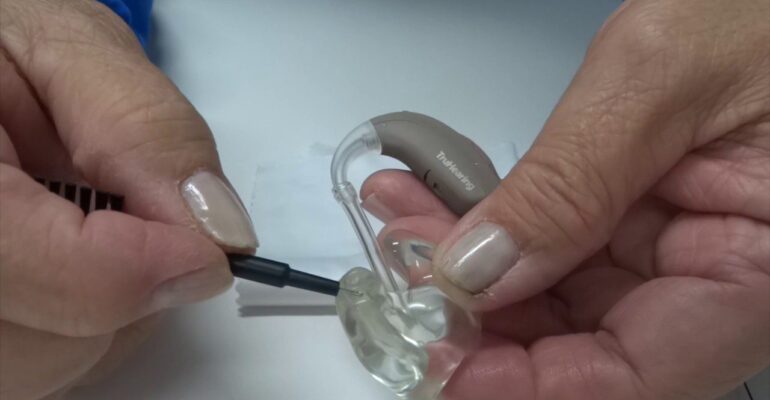
How to Clean Hearing Aids: Complete Nigeria Care Guide
Last Updated: February 2026 | Reading Time: 8 minutes | Part of our Complete Hearing Aid Buying Guide for Nigeria
Introduction: Why Proper Cleaning Matters in Nigeria’s Climate
Your hearing aid cost ₦25,000 to ₦150,000. With proper care, it should last 3–5 years. Without it, you’ll be lucky to get 6 months before performance degrades or the device fails completely.
The problem? Nigeria’s climate is genuinely hostile to hearing aids. Lagos humidity averages above 80% year-round. Dust from unpaved roads, harmattan winds, and traffic fills the air. Heat causes earwax to soften and spread. Generator fumes corrode delicate electronics. Sweat from your ear canal seeps into microphone ports.
Every day you don’t clean your hearing aid, these environmental factors chip away at its lifespan and performance. Microphones get clogged. Batteries corrode. Sound quality degrades. Eventually, the device stops working.
The good news? Five minutes of daily maintenance prevents all of this. This guide shows you exactly how to clean your hearing aid properly for Nigerian conditions — what to do daily, weekly, and monthly, what tools you need, and how to avoid the common mistakes that damage devices.
Whether you bought a budget ITE like the Axon K80 Mini or a premium BTE model, these cleaning techniques apply. Protect your investment. Let’s get started.
Essential Cleaning Tools (What You Need)
You don’t need expensive specialized equipment. Here’s what actually works in Nigeria:
Must-Have Tools (₦3,000–₦5,000 total)
1. Soft-bristle cleaning brush (₦500–₦1,000)
Small brush specifically for hearing aids, or a clean soft toothbrush works. Should come free with your hearing aid purchase.
2. Wax pick/loop tool (₦300–₦500)
Small wire loop or pick for removing hardened earwax from openings. Usually included with hearing aid.
3. Dry microfiber cloth (₦200–₦500)
For wiping down the device. Clean eyeglass cloth works perfectly. Never use wet cloths or tissue paper.
4. Desiccant storage container (₦2,000–₦3,000)
Hard plastic jar with silica gel beads inside. Essential in Nigeria’s humidity. Non-negotiable.
Where to buy: Medical equipment stores in Lagos (Ikeja, Marina, Yaba), or from the store where you bought your hearing aid. Phantom Medical Supplies stocks all cleaning supplies at 08132719143.
Optional But Helpful Tools
Forced air blower (₦1,000–₦2,000): Small manual air puffer for dislodging debris from ports. Camera cleaning blowers work well.
Wax guards/filters (₦1,500–₦3,000 per pack): Replaceable filters that protect the speaker. Should be changed monthly. Check your device manual for compatible type.
Cleaning spray (₦2,500–₦4,000): Special hearing aid cleaning solution. Nice to have but not essential — dry cleaning works for 95% of maintenance.
What NOT to Use (Common Mistakes)
❌ Water or wet wipes — damages electronics
❌ Alcohol or chemical cleaners — corrodes plastic and circuits
❌ Sharp metal objects — scratches delicate components
❌ Compressed air cans — too much pressure damages microphones
❌ Tissue paper — leaves lint in openings
❌ Your fingernails — pushes wax deeper instead of removing it
Pro Tip: The desiccant jar is the single most important cleaning tool in Nigeria. Lagos humidity will kill your hearing aid faster than anything else. We’ve seen ₦80,000 devices fail in 4 months because customers stored them in bathroom drawers. A ₦2,500 desiccant jar prevents this completely. Don’t skip it.
Daily Cleaning Routine (5 Minutes Every Night)
Do this every single night before bed. Non-negotiable if you want your device to last.
Step 1: Remove the Hearing Aid
Take out your hearing aid over a soft surface (bed, cushion) in case you drop it. Hardened earwax and debris are loosest right after removal — perfect time to clean.
Step 2: Wipe Down the Entire Device
Using your dry microfiber cloth, gently wipe the entire hearing aid surface. Remove earwax, sweat, dust, and skin oils. Pay special attention to:
- The portion that sits in your ear (heaviest wax buildup)
- Battery compartment edges (corrosion starts here)
- Joints and seams (sweat collects in crevices)
For BTE models: Wipe the main body and the tube/ear dome separately.
For ITE models: Focus on the faceplate and the canal portion that enters your ear.
Step 3: Brush Away Debris
Using your soft-bristle brush, gently brush all openings:
- Microphone ports (usually 1–2 small holes on the faceplate) — brush downward so debris falls out, not in
- Sound outlet/speaker (the part that goes deepest in your ear) — hold device speaker-side down while brushing so wax falls away
- Ventilation holes (if your model has them)
- Battery compartment (remove battery first, brush away any corrosion or debris)
Critical: Always brush away from openings, never into them. Gravity is your friend — position the device so debris falls out, not deeper into ports.
Step 4: Check and Clean Wax Guards (ITE Models)
If your ITE hearing aid has wax guards (small filters in the sound outlet), check them visually:
- Clear/slightly yellow? Leave it alone.
- Dark brown or clogged? Replace it (see monthly maintenance section below).
- Partially blocked? Gently brush around it, but don’t push debris through the guard.
Step 5: Open Battery Door and Store in Desiccant
Remove the battery completely (saves battery life and prevents corrosion). Open the battery door fully. Place hearing aid and battery separately in your desiccant storage jar overnight.
Why this matters in Nigeria: Opening the battery door allows moisture to escape. The desiccant absorbs humidity that built up during the day. This single habit extends device life by 12–18 months in Lagos climate.
Total time: 3–5 minutes once you’ve built the habit.
Real Talk: We can always tell which customers clean their devices nightly and which don’t. The ones who do come in after 2–3 years still performing well. The ones who don’t come in after 6 months with clogged microphones and corroded battery compartments. Five minutes a day or ₦50,000 for a new device in a year. You choose.
Weekly Deep Clean (15 Minutes Every Sunday)
Once a week, go beyond daily maintenance with a thorough inspection and cleaning.
BTE Hearing Aids: Tube and Dome Care
Inspect the tube: Look for moisture droplets, yellowing, cracks, or stiffening. If moisture is inside, detach the tube (if removable) and use a forced air blower to push it out. Never use water or compressed air.
Check the ear dome: Soft rubber tip that goes in your ear. Should be clear or slightly yellow. Replace if it’s dark, cracked, or hardened. Replacement domes cost ₦500–₦1,500 and should be changed every 2–3 months in Nigeria’s heat.
Clean the connection point: Where tube meets the hearing aid body. Wax and debris accumulate here. Use your wax pick tool gently.
ITE Hearing Aids: Sound Outlet Focus
Wax pick cleaning: Using the wire loop tool, very carefully remove any hardened earwax from the sound outlet opening. Don’t push — gently hook and pull. If wax is too hard, never force it. See monthly maintenance below.
Ventilation check: Some ITE models have small vent holes for pressure equalization. Use forced air blower (if you have one) to clear these.
All Models: Battery Contact Cleaning
Remove battery. Inspect the metal contacts inside the battery compartment. Look for:
- Green/white crusty buildup = battery corrosion (from humidity or old battery left in too long)
- Solution: Use a clean, dry cotton swab to gently rub contacts. For stubborn corrosion, barely dampen swab with white vinegar, rub gently, then immediately dry with a clean swab. Never let liquid seep into the device.
Desiccant Refresh Check
Silica gel beads change color when saturated:
- Orange/blue beads → clear/pink: Saturated, needs refreshing
- How to refresh: Remove beads, spread on a tray, microwave in 30-second bursts until color returns, or bake at low heat (100°C) for 2 hours. Let cool completely before returning to jar.
- In Lagos humidity: Refresh every 2–4 weeks depending on usage
Monthly Maintenance Tasks
Replace Wax Guards (ITE Models)
Most ITE hearing aids have replaceable wax guards that should be changed monthly in Nigeria (manufacturer often says 2–3 months, but our climate accelerates clogging).
How to change:
- Use the tool that came with your wax guards (small stick with receptacle on one end, new guard on other)
- Insert empty end into old wax guard, twist gently, pull out
- Flip tool around, insert new guard, press firmly until seated
- Dispose of old guard
Cost: ₦1,500–₦3,000 per 8-pack (2–8 months supply depending on change frequency)
Replace Ear Domes (BTE Models)
Soft rubber domes should be replaced every 2–3 months or sooner if they:
- Turn dark yellow/brown
- Become stiff or cracked
- No longer seal comfortably in your ear
- Cause whistling (feedback) due to poor seal
Cost: ₦500–₦1,500 per dome
Deep Tube Cleaning (BTE Models)
If moisture persists in tube despite weekly air blowing, you may need tube replacement:
- Tubes should be clear/translucent
- Replace if yellowed, stiff, or cracked
- In Nigeria, tubes last 4–6 months typically (versus 6–12 months in temperate climates)
Cost: ₦2,000–₦4,000 for replacement tube (have it done at the store where you bought the device, or medical equipment stores stock common sizes)
Professional Check (Every 6–12 Months)
Even with perfect home maintenance, bring your hearing aid to a professional once or twice a year for:
- Deep cleaning with specialized vacuum equipment
- Internal corrosion check
- Sound quality testing
- Settings adjustment if needed
Cost: ₦3,000–₦8,000 at medical equipment stores or audiology clinics. Some stores offer free cleaning for devices purchased from them — ask when you buy.
Common Cleaning Mistakes That Damage Hearing Aids
Mistake 1: Using Water or Wet Materials
What people do: “I’ll just rinse it under the tap quickly” or wipe with wet cloth/tissue.
Why it’s bad: Water penetrates microphone ports and speaker openings. Even water-resistant models aren’t waterproof. Electronics corrode. Device fails.
Correct approach: Dry cleaning only. Microfiber cloth. If something sticky got on the device, barely dampen cloth corner, wipe quickly, dry immediately.
Mistake 2: Storing in Humid Locations
What people do: Leave hearing aid on bathroom sink, in bedside drawer, or in its original packaging box without desiccant.
Why it’s bad: Bathrooms are humidity traps. Regular drawers in Lagos homes trap moisture. Slow corrosion happens daily.
Correct approach: Desiccant jar every single night. No exceptions. Keep the jar in a dry location (bedroom away from windows, not bathroom).
Mistake 3: Leaving Old Battery In for Weeks
What people do: “Battery still works, so I’ll leave it in” even when not using device daily.
Why it’s bad: Batteries leak when old or exposed to humidity. Leaked battery acid corrodes contacts permanently. We’ve seen ₦60,000 devices destroyed by a ₦300 battery left in too long.
Correct approach: Remove battery every night. Replace battery weekly even if it still works (batteries cost ₦300–₦500, cheaper than repair).
Mistake 4: Aggressive Cleaning
What people do: Use toothpicks, pins, or needles to dig out wax. Scrub vigorously with rough cloth.
Why it’s bad: Scratches plastic, damages delicate mesh screens over microphones, pushes wax deeper into unreachable areas, breaks internal components.
Correct approach: Gentle brushing with proper tools only. If wax is rock-hard and won’t budge, take it to a professional rather than forcing it.
Mistake 5: Inconsistent Cleaning (“I’ll Do It When It Gets Dirty”)
What people do: Clean only when they notice reduced sound quality or visible buildup.
Why it’s bad: By the time you notice performance degradation, significant buildup has already occurred. Damage may be permanent. Prevention is 100x easier than correction.
Correct approach: Daily cleaning is a habit, not a response to visible dirt. Like brushing your teeth — you don’t wait until they hurt.
Troubleshooting Common Cleaning-Related Issues
Problem: Sound Quality Degraded After Cleaning
Likely cause: You pushed debris further into the speaker opening instead of removing it.
Solution: Hold device speaker-side down and use forced air blower (or your breath from 6 inches away) to dislodge debris. If this doesn’t work, professional cleaning needed.
Problem: Device Whistles (Feedback) After Cleaning
Likely cause: Ear dome or ITE device fit is loose (you may have accidentally loosened it during cleaning).
Solution: For BTE, check dome is seated properly on tube. For ITE, ensure it’s fully inserted in your ear canal. If whistling persists, dome/mold may need replacement.
Problem: Battery Drains Faster After Cleaning
Likely cause: Moisture in battery compartment or on battery contacts creates poor connection, making device work harder.
Solution: Ensure battery compartment is completely dry before inserting fresh battery. Leave battery door open for 10 minutes to air out. Use cotton swab to dry contacts if needed.
Problem: Can’t Remove Hardened Earwax
Don’t force it. Take device to medical equipment store for professional cleaning (₦3,000–₦5,000). They have vacuum tools and solvents that won’t damage the device. Trying to force it yourself risks permanent damage.
Special Considerations for Nigeria’s Climate
Harmattan Season (November–February)
Challenge: Extreme dust in the air, especially in northern cities.
Extra care needed: Clean daily without fail. Brush microphone ports twice daily if you’re outdoors frequently. Consider wearing a dust cover or headscarf that partially shields your ears when in very dusty environments.
Rainy Season (March–October)
Challenge: Peak humidity. Moisture damage risk maximized.
Extra care needed: Refresh desiccant weekly instead of monthly. Never leave hearing aid in your ear immediately after coming in from rain (even if you had umbrella — humidity from air is enough). Remove device, wipe down, let it air dry for 10 minutes before reinserting.
Generator Fumes and Urban Pollution
Challenge: Oily particles from generator exhaust and vehicle emissions settle on device.
Extra care needed: Wipe down device mid-day if you’ve been in heavy traffic or near generators for extended periods. The oily film attracts dust and clogs ports faster than dry dust alone.
Frequently Asked Questions
How often should I clean my hearing aid in Nigeria?
Daily. Every single night before bed: wipe down, brush ports, remove battery, store in desiccant. Weekly: deep clean tubes/domes, check battery contacts, refresh desiccant if needed. Monthly: replace wax guards (ITE) or ear domes (BTE). Nigeria’s climate doesn’t allow for the “clean when convenient” approach that works in temperate climates. Daily or die.
Can I use alcohol or hand sanitizer to clean my hearing aid?
No. Alcohol and sanitizers damage plastic housings, corrode internal components, and degrade seals. They also don’t evaporate as quickly as you’d think in humid Lagos air — moisture lingers and penetrates the device. Stick to dry cleaning with proper tools. If you absolutely must disinfect (e.g., after someone else used it), use hearing aid-specific cleaning spray (₦2,500–₦4,000) available at medical equipment stores, and use it very sparingly.
What if I dropped my hearing aid in water?
Act immediately: (1) Remove battery instantly, (2) Shake out as much water as possible, (3) Do NOT turn it on to “test” if it works, (4) Open battery door fully, (5) Place in desiccant jar for 48–72 hours minimum, (6) After 3 days, try new battery. If it works, great. If not, take to professional — there’s a 50/50 chance of revival if you acted fast. Never use rice (leaves dust), never use heat (warps plastic), never use a hairdryer (forces water deeper in).
How do I know when to replace wax guards?
Visual check: Clear or light yellow = OK. Dark brown or black = replace immediately. Sound check: If volume seems reduced even at maximum setting, clogged wax guard is likely culprit. In Nigeria, replace monthly regardless of appearance — our earwax production increases in heat. A ₦200 wax guard replacement beats a ₦30,000 speaker repair.
Can I clean my hearing aid while it’s in my ear?
No. Always remove it first. Cleaning while inserted risks: (1) Pushing debris deeper into your ear canal, (2) Dropping the device if you’re holding it awkwardly, (3) Damaging the device by pressing too hard against your ear, (4) Poking your ear canal with cleaning tools. Remove, clean over a soft surface, reinsert when done.
Is professional cleaning worth the cost?
Yes. Even with perfect home maintenance, professional cleaning 1–2 times per year (₦3,000–₦8,000 per visit) extends device life significantly. They have vacuum tools, specialized solvents, and can detect early corrosion you’d miss. Think of it like servicing your generator — home maintenance is essential, but annual professional service catches problems before they become expensive failures. See our Lagos store guide for locations offering cleaning services.
My hearing aid came with a cleaning kit. Is it enough?
The basic kit (brush and wax pick) is enough for daily cleaning. But you MUST buy a desiccant storage jar separately (₦2,000–₦3,000) — most basic kits don’t include this, and it’s the most critical tool for Nigeria. The cleaning kit handles debris removal; the desiccant handles moisture protection. You need both.
Can I use my hearing aid while cleaning it with spray?
No. If using hearing aid cleaning spray, remove the device, spray onto a cloth (never spray directly on device), wipe the device, let it air dry for 5–10 minutes, then reinsert. Never use spray and immediately put device back in ear — the moisture hasn’t evaporated yet and will get trapped in your ear canal.
Conclusion: Five Minutes Saves Thousands
Your hearing aid represents a significant investment — anywhere from ₦25,000 to ₦150,000 depending on what you bought. Proper cleaning determines whether it lasts 6 months or 5 years.
The daily routine takes 5 minutes:
- Wipe down with dry cloth (1 minute)
- Brush openings and ports (2 minutes)
- Check wax guards visually (30 seconds)
- Remove battery, open door (30 seconds)
- Store in desiccant (30 seconds)
The weekly deep clean takes 15 minutes.
The monthly maintenance takes 30 minutes.
That’s roughly 3 hours of maintenance over a month. Compare that to ₦30,000–₦80,000 for premature replacement because you didn’t maintain your device.
Start tonight. Build the habit. Protect your investment.
If you need cleaning supplies (desiccant jar, wax guards, replacement domes, cleaning spray), call 08132719143 or visit phantommedicalsupplies.store. We stock everything you need and can show you proper technique in person.
For more on hearing aid care and maintenance, see our complete buying and maintenance guide.
Related Articles
- Complete Guide to Buying Hearing Aids in Nigeria (2026)
- Types of Hearing Aids Explained: BTE, ITE & CIC
- How to Choose the Right Hearing Aid for Your Needs
- Hearing Aid Prices in Nigeria 2026: Complete Cost Breakdown
- Best Hearing Aids for Seniors in Nigeria
- Where to Buy Hearing Aids in Lagos
- Signs of Hearing Loss: 15 Early Warnings
- Axon K80 Mini — Product Details & Price
Author: Phantom Medical Supplies team, Lagos. Based on 3 years observing which maintenance routines preserve devices and which lead to premature failure in Nigeria’s climate. Information accurate as of February 2026. For cleaning supplies and in-person technique demonstration, call 08132719143 or visit phantommedicalsupplies.store.
Maintenance Disclaimer: This guide is for routine home cleaning only. If your device is damaged, has internal moisture, or shows signs of corrosion, professional service is required. Never attempt to disassemble your hearing aid yourself.