Best Glucometers in Nigeria 2026: Types, Prices & Test Strip Costs
March 24, 2026 2026-09-23 11:32Best Glucometers in Nigeria 2026: Types, Prices & Test Strip Costs
 Phantom Medicals
Best Glucometers in Nigeria 2026: Types, Prices & Test Strip Costs
If you are looking for the best glucometer in Nigeria, the price of the meter is only one part of the decision. You also need to consider how many test strips come with it, how much replacement strips cost, how often you expect to test, and whether the strips for your chosen meter are readily available.
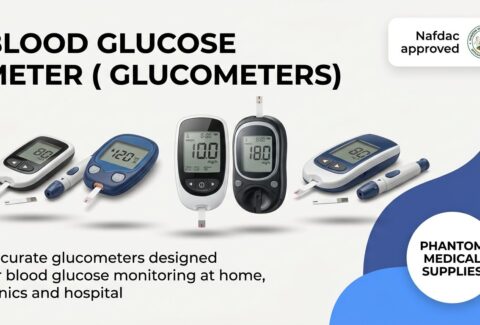
For this guide, we compare four glucometers available through Phantom Medical Supplies: Accu-Chek Active, On Call Plus, Fine-test, and CodeFree.
Our comparison focuses on the information that matters to a Nigerian buyer: current supplied prices, included test strips, replacement-strip costs and approximate cost per additional strip.
Prices in this guide are the current prices supplied for this comparison and may change. Check the product page for the latest price before ordering.
Which glucometer is best for you in Nigeria?
There is no single glucometer that is automatically the best choice for everyone.
Someone who tests frequently may care more about the price and availability of replacement strips than the initial cost of the meter. Someone buying a first glucometer may instead prefer a kit that includes more strips.
Based on the prices and pack sizes available for this comparison:
- Lowest meter price: On Call Plus — ₦22,000
- Most strips included with the meter: Fine-test — 25 strips
- Lowest replacement-strip pack price: On Call Plus — ₦9,000 for 25 strips
- Lowest approximate replacement-strip cost: Fine-test — ₦240 per strip
- Highest replacement-strip cost per strip: CodeFree — approximately ₦380 per strip
These comparisons describe price and pack-size differences, not clinical superiority or accuracy.
Quick-buy comparison summary
| Best for | Glucometer | Meter price | Included strips | Replacement strips | Approx. cost/strip |
|---|---|---|---|---|---|
| Lowest meter price | On Call Plus | ₦22,000 | 10 | ₦9,000 / 25 | ₦360 |
| Most strips included | Fine-test | ₦25,000 | 25 | ₦12,000 / 50 | ₦240 |
| Lowest replacement cost per strip | Fine-test | ₦25,000 | 25 | ₦12,000 / 50 | ₦240 |
| Accu-Chek option | Accu-Chek Active | ₦28,000 | 10 | ₦14,000 / 50 | ₦280 |
| 50-strip replacement pack | CodeFree | ₦30,000 | 10 | ₦19,000 / 50 | ₦380 |
Quick recommendation: Choose based on what matters most to you. On Call Plus has the lowest supplied meter price, while Fine-test combines the highest number of included strips with the lowest calculated replacement-strip cost in this comparison.
How do the four glucometers compare?
| Glucometer | Strips included | Extra strip pack | Meter price | Extra strip price | Approx. cost per extra strip |
|---|---|---|---|---|---|
| Accu-Chek Active | 10 | 50 | ₦28,000 | ₦14,000 | ₦280 |
| On Call Plus | 10 | 25 | ₦22,000 | ₦9,000 | ₦360 |
| Fine-test | 25 | 50 | ₦25,000 | ₦12,000 | ₦240 |
| CodeFree | 10 | 50 | ₦30,000 | ₦19,000 | ₦380 |
Want to compare the current prices?
If you already know you need a glucometer, you can browse Phantom Medical Supplies’ glucometer collection to compare available meters and prices.
What are the types of glucometers available in Nigeria?
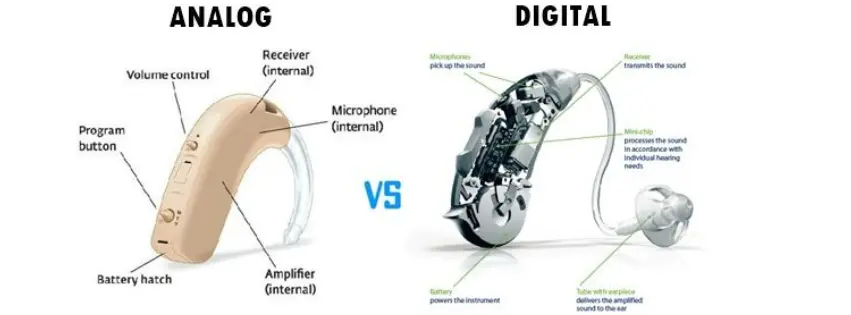
When people search for types of glucometer or types of glucometer machine, they are often looking for either different kinds of glucose-monitoring technology or different brands and models of blood glucose meters.
A conventional glucometer, also called a blood glucose meter, measures glucose from a small blood sample. The testing system generally consists of the meter and compatible test strips. The FDA describes a blood glucose monitoring system as a handheld meter used with test strips to measure glucose from a blood sample. Blood Glucose Monitoring Devices — FDA
The four conventional glucometers compared in this guide are:
- Accu-Chek Active
- On Call Plus
- Fine-test
- CodeFree
There is also another major category of glucose-monitoring technology: continuous glucose monitors (CGMs). Unlike a conventional finger-prick meter, a CGM uses a sensor placed under the skin to monitor glucose continuously or at frequent intervals. Managing Diabetes — NIDDK
For someone specifically searching for an affordable finger-prick glucometer in Nigeria, the four meters above are the relevant comparison.
Which glucometer comes with the most test strips?
Fine-test comes with 25 strips based on the product information used for this comparison.
The other three meters come with 10 strips each.
That difference matters when comparing starter kits. A ₦25,000 meter that includes 25 strips is not directly comparable with a ₦22,000 meter that includes only 10 strips if you are considering how much testing you can do immediately after purchase.
However, included strips should not be the only consideration. You should also check the price and availability of replacement strips before choosing a meter.
Most importantly, replacement strips must be compatible with the meter. The FDA specifically advises blood glucose meter users to use only the test strips recommended for their particular meter because incompatible strips can produce inaccurate results or fail to produce a result. FDA guidance on using compatible test strips
Looking for a glucometer with more strips included? Check the Fine-test option before deciding.
Which glucometer has the lowest initial price in Nigeria?
Based on the supplied prices, On Call Plus is the lowest-priced meter in this comparison at ₦22,000.
Fine-test follows at ₦25,000, Accu-Chek Active at ₦28,000 and CodeFree at ₦30,000.
However, the cheapest meter is not necessarily the cheapest option over time.
If you test frequently, you will continue purchasing test strips. That means the price and availability of compatible strips can have a significant effect on your overall monitoring cost.
The FDA also recommends considering both the cost of the meter and its test strips when choosing a blood glucose monitoring device. How to choose a blood glucose monitoring device — FDA
If keeping the initial purchase price low is your priority, you can check the current On Call Plus price here.
How much does each glucometer cost in Nigeria?
The supplied prices for the four glucometers are:
How much is Accu-Chek glucometer in Nigeria?
The supplied price for the Accu-Chek Active Glucometer is ₦28,000, with an additional 50-strip pack priced at ₦14,000.
If Accu-Chek is the meter you are considering, you can check the product page for the current price and availability.
Check Accu-Chek Active Price & Buy →
How much is On Call Plus glucometer in Nigeria?
The supplied price for the On Call Plus Glucometer is ₦22,000.
An additional pack containing 25 strips is supplied at ₦9,000.
Check On Call Plus Price & Buy →
How much is Fine-test glucometer in Nigeria?
The supplied price for the Fine-test Glucometer is ₦25,000.
The meter comes with 25 strips, while an additional 50-strip pack is priced at ₦12,000.
How much is CodeFree glucometer in Nigeria?
The supplied price for the CodeFree Glucometer is ₦30,000.
An additional 50-strip pack is priced at ₦19,000.
How much do glucometer test strips cost in Nigeria?
Test-strip prices in this comparison range from ₦9,000 to ₦19,000 per additional pack, depending on the brand and pack size.
But comparing only the pack price can be misleading because the packs contain different numbers of strips.
The approximate cost per strip is:
- Fine-test: ₦12,000 ÷ 50 = ₦240
- Accu-Chek: ₦14,000 ÷ 50 = ₦280
- On Call: ₦9,000 ÷ 25 = ₦360
- CodeFree: ₦19,000 ÷ 50 = ₦380
So, based strictly on the supplied prices, Fine-test has the lowest cost per additional strip in this comparison.
If you are buying a meter for regular monitoring, don’t stop at the meter price. Check the cost of the strips you will need to keep buying.
Also make sure that the strips you purchase are specifically compatible with your meter. FDA: Use only the test strip recommended for your meter.
Browse Glucometer Test Strips →
Which glucometer is cheapest to maintain?
There are two different questions here:
Which meter costs the least to buy?
On Call Plus, at ₦22,000 based on the supplied prices.
Which has the lowest supplied replacement-strip cost per strip?
Fine-test, at approximately ₦240 per strip.
This distinction is important.
For someone who tests occasionally, the initial meter price may be more noticeable. For someone testing frequently, the recurring cost of compatible strips can become much more important.
For example, if a person eventually uses 100 strips, the difference between a replacement strip costing approximately ₦240 and one costing approximately ₦380 becomes substantial.
The exact annual cost will depend on how frequently the person tests and the quantity and price of strips purchased.
What is the most cost-effective option?
Based only on the prices supplied for this guide, Fine-test has the lowest replacement-strip cost per strip and comes with the highest number of strips in the starter kit.
That makes it particularly interesting for buyers who are thinking about ongoing testing costs.
However, cost should not be interpreted as a measure of clinical accuracy or superiority.
Compare Fine-test Glucometer →
Which glucometer is the most accurate?
This is one of the most common questions people ask before buying a blood glucose meter.
It is also one of the questions that should be answered carefully.
We would not label any of the four meters in this comparison as “the most accurate” without reliable comparative clinical evidence.
Accuracy is not simply a matter of choosing the most expensive meter or the most familiar brand. The complete testing system matters, including the meter, its compatible strips, storage conditions and how the test is performed.
The FDA recommends considering accuracy when choosing a blood glucose monitoring device and notes that safe use and accuracy can depend on factors including the quality of the meter and strips and how well the test is performed. Blood Glucose Monitoring Devices — FDA
The FDA’s practical guidance also explains that proper preparation and technique matter when testing blood glucose, including washing your hands and checking that the test strips are appropriate for your meter. Blood Glucose Meters: Getting the Most Out of Your Meter — FDA
For this reason, Phantom Medical Supplies does not rank these four products by an unsupported “accuracy score.”
Instead, compare the manufacturer’s documented performance information for the specific meter and test-strip system you intend to use.
How can you choose the right glucometer in Nigeria?
Start with how you expect to use the meter.
If your priority is the lowest initial price
On Call Plus is the lowest-priced option in this comparison at ₦22,000.
If you want more strips included in the starter kit
Fine-test comes with 25 strips, compared with 10 strips for each of the other three meters in this comparison.
If you expect to buy many replacement strips
Pay close attention to the cost per strip, not simply the price of the meter.
Based on the supplied prices, Fine-test has the lowest additional-strip cost at approximately ₦240 per strip.
If you already prefer a particular established brand
Brand familiarity may be part of your decision, but you should still check the availability and cost of the correct replacement strips.
For example, if you prefer Accu-Chek, check both the meter and the compatible strips before purchasing.
What should you check before buying a glucometer?
Before paying for a glucometer, ask these questions:
- How many test strips come with the meter?
- How much do replacement strips cost?
- Can I easily buy the correct strips again?
- Are the strips compatible with this exact meter?
- How should the strips be stored?
- What does the complete monitoring cost?
- Is the meter suitable for the way I intend to use it?
The FDA similarly recommends considering factors such as accuracy, ease of use, testing speed, blood sample requirements, data storage, meter and strip cost, and manufacturer support when choosing a glucose meter. FDA: Blood Glucose Monitoring Devices
Think beyond the meter:
Meter + test strips + lancets + frequency of testing
That is a more useful way to think about affordability than the purchase price alone.
How do you use a glucometer?
The exact procedure depends on the meter, so always follow the instructions supplied with your particular device.
For a conventional finger-prick meter, the general process involves preparing the meter and strip, washing and drying your hands, obtaining a small blood sample with a lancet, applying the sample to the test strip and recording the result.
The CDC recommends washing and drying your hands before testing and following the meter’s instructions. It also advises keeping track of results and not sharing blood glucose monitoring equipment, particularly lancets. Monitoring Your Blood Sugar — CDC
Why should you wash your hands before testing?
Small amounts of food or sugar on your fingers can affect a glucose reading. The FDA therefore recommends washing your hands before testing and following the instructions for the specific meter and strips. FDA: Getting the Most Out of Your Meter
How should you store glucometer test strips?
Test strips need to be protected from conditions that can damage them. The CDC notes that exposure to moisture, humidity and extreme temperatures can damage test strips and recommends keeping the strip container tightly closed when not in use. Monitoring Your Blood Sugar — CDC
Always also follow the storage instructions supplied with your specific strip product.
Why can glucometers give different readings?
Different readings can occur for several reasons, and a difference does not automatically mean that one meter is faulty.
Factors that can affect results include:
- Testing technique
- How the blood sample is obtained
- Dirty or contaminated hands
- Test-strip condition
- Incorrect or incompatible strips
- Improper strip storage
- Environmental conditions
- Certain health conditions or medications
The FDA notes that the quality of the meter and strips, how the test is performed, environmental factors and certain conditions can affect blood glucose results. FDA: Blood Glucose Monitoring Devices
If a reading is unexpected or does not make sense in relation to how you feel, follow the instructions for your meter and seek appropriate medical advice rather than making treatment changes based on an unexplained reading.
What is the difference between a glucometer and a CGM?
A conventional glucometer and a continuous glucose monitor measure glucose in different ways.
A glucometer generally requires a small blood sample, usually obtained through a finger prick, and gives a glucose reading at the time of testing.
A CGM uses a sensor placed under the skin to monitor glucose changes throughout the day and night. Managing Diabetes — NIDDK
Neither should be treated as simply a more expensive version of the other. They are different monitoring approaches, and the appropriate option depends on the individual’s circumstances and healthcare plan.
For buyers specifically looking for a conventional home glucometer in Nigeria, the four meters compared in this guide are the focus.
Where can you buy a glucometer in Nigeria?
If you are ready to compare the available options, Phantom Medical Supplies provides glucometers and related blood glucose monitoring supplies.
You can browse the available meters and compare the current prices before choosing one.
If you already have a meter and need replacement consumables, you can also browse the available test strips:
Frequently asked questions about glucometers in Nigeria
Which glucometer is best in Nigeria?
There is no single best glucometer for every buyer. Based on the supplied prices in this comparison, On Call Plus has the lowest initial meter price, while Fine-test has the most included strips and the lowest calculated replacement-strip cost per strip.
Which glucometer is cheapest in Nigeria?
Based on the supplied prices, On Call Plus is the cheapest of the four meters compared, at ₦22,000.
How much is Fine-test glucometer in Nigeria?
The supplied Fine-test price is ₦25,000, and the meter comes with 25 strips. An additional 50-strip pack is supplied at ₦12,000.
Which glucometer has the cheapest test strips?
Based on the supplied pack prices and quantities, Fine-test has the lowest calculated replacement-strip cost at approximately ₦240 per strip.
Which brand of glucose meter is the most accurate?
It would not be responsible to declare one of the four products in this comparison the most accurate without reliable comparative evidence for the specific meter and strip systems. Accuracy can depend on the device, strips, testing technique, storage and other factors. The FDA provides guidance on selecting and using blood glucose monitoring systems. FDA: Blood Glucose Monitoring Devices
Can I use any glucometer strip with my meter?
No. You should use the test strips specified for your particular meter. Using an incompatible strip can result in inaccurate readings or prevent the meter from producing a result. FDA: Test-strip compatibility guidance
Final takeaway: What should you look for when buying a glucometer?
The cheapest glucometer is not automatically the best glucometer for every Nigerian buyer.
A better approach is to compare the complete cost and practical usefulness of the monitoring system.
For the four options in this guide:
- On Call Plus has the lowest supplied meter price.
- Fine-test provides the most strips in its starter kit.
- Fine-test also has the lowest calculated cost per additional strip.
- Accu-Chek Active sits between the other options on the supplied meter and strip prices.
- CodeFree has the highest supplied meter price and highest calculated replacement-strip cost per strip.
These figures are useful for comparing purchasing costs, but they do not establish that one meter is clinically more accurate than another.
For medical guidance on choosing and using a blood glucose meter, readers can also consult the FDA’s Blood Glucose Monitoring Devices guidance and the CDC’s Monitoring Your Blood Sugar resource.
If you have decided which type of meter suits your needs, you can compare the available products below.
Ready to buy a glucometer?
Need replacement strips?
Want a specific meter?
Prices should be checked before purchase because Nigerian medical-supply prices can change.